Français
 简体中文
简体中文 Español
 Italiano
 Português
Fermentis is an expert in the art of fermentation.
Our active dry yeasts and yeast derivatives cover almost all professional requirements: from safeguarding production to expressing sensory characteristics in beer, wine, spirits and more. Take a look at the various types of products in our range.

We want to help you make the best beverages in the drinks industry
Fermentis works with everyone in the world of beer, wine, spirits and other fermented beverages.
Discover the range we have developed for you.
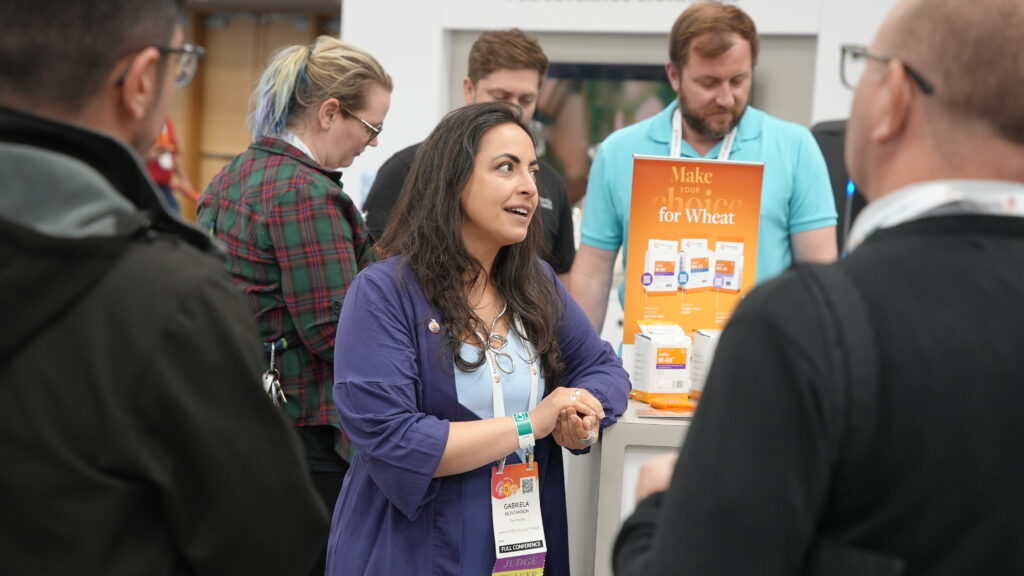
Come and meet our team at our upcoming events
Write a short recap of the article here : this will be displayed on the...
Château de Fleys is located in a small village just east of Chablis. Part of a historic wine-producing region, the family-owned winery dates back multiple generations. Today, Olivier Phillipon,...
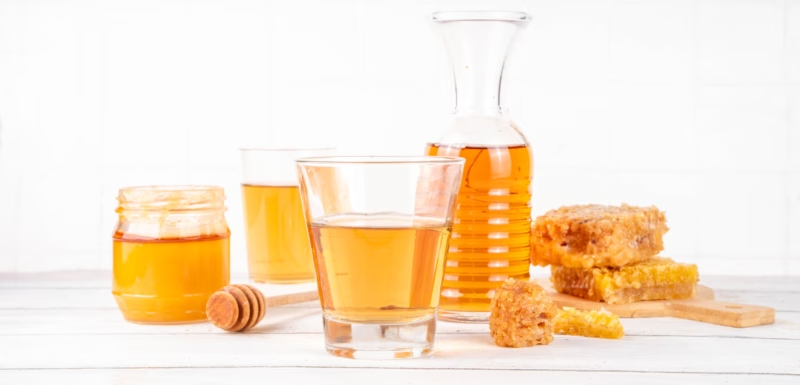
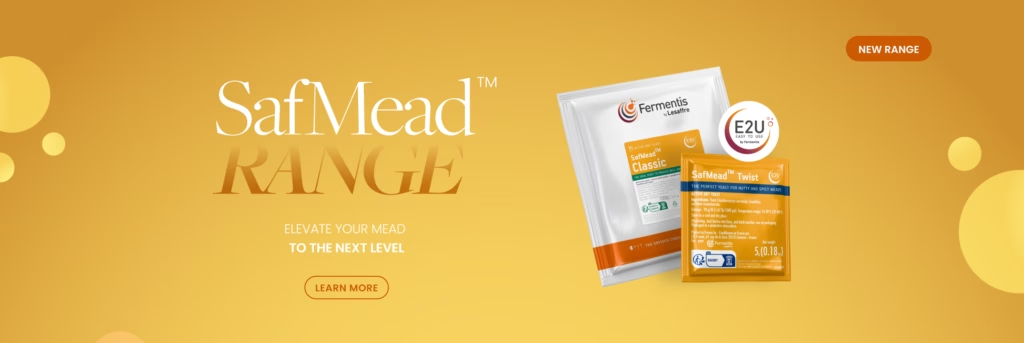
Unlock Flavor & Aroma with our new SafMead™ range Mead, also known as the ‘nectar of the gods’,...
You can now make professional-quality wine at home with Fermentis’ premium wine yeasts! We’re pleased...
Brussels was buzzing last week with the energy of World of Coffee (WOC) – three days of...

We’re pleased to share two new leadership appointments at Fermentis, announced by our General Director, Thomas Lesaffre. Effective...
This April, Fermentis had the pleasure of hosting the 2026 France Bière Challenge – an...
At Fermentis, we are driven by constant innovation
Our Research & Development team is always looking for ways to improve or develop new products and services for the beverage industry.
Take a look at some of our latest yeasts and fermentation products available on the market.
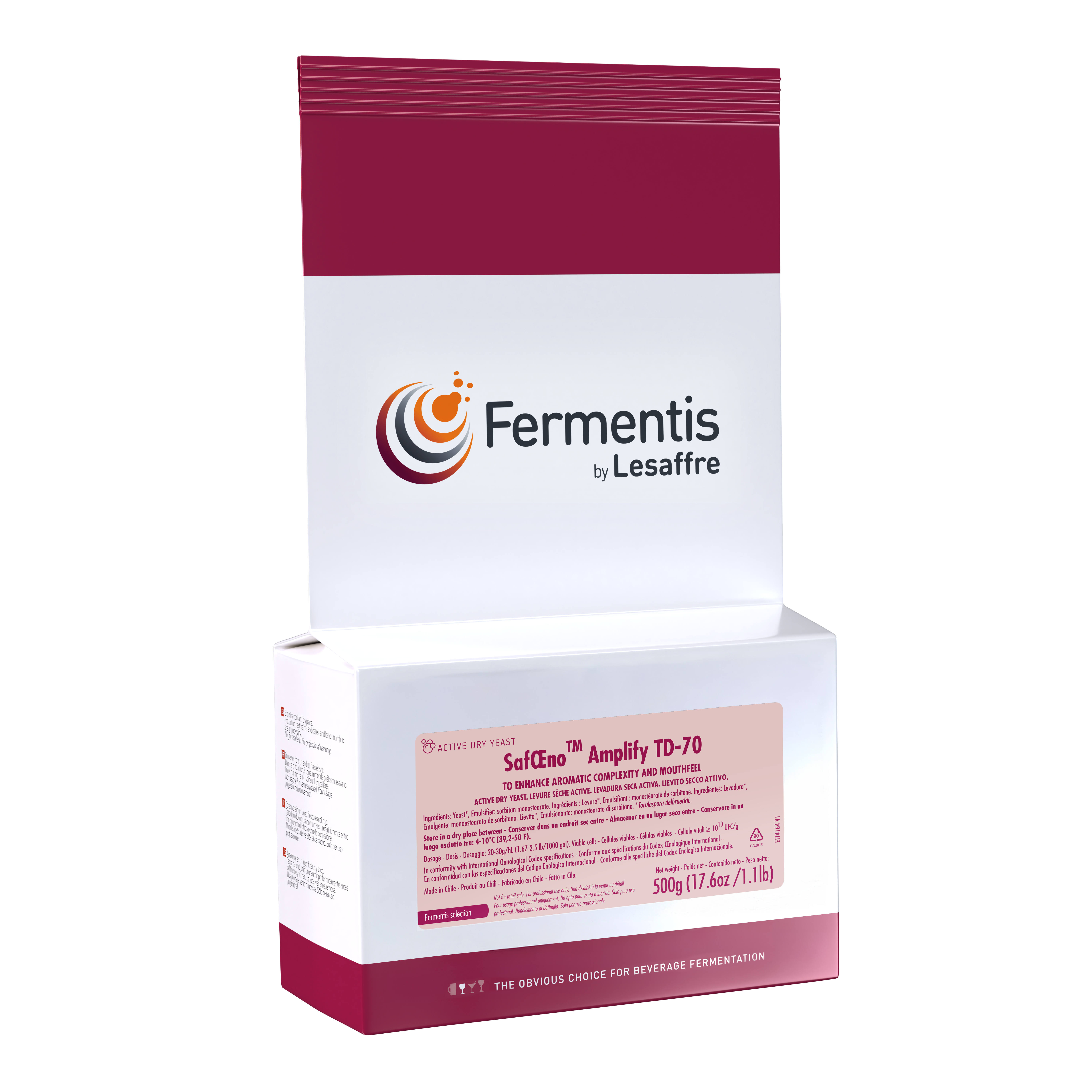
To enhance aromatic complexity and mouthfeel

For well-balanced meads

For Nutty and Spicy Meads

For the bioprotection of grapes and musts
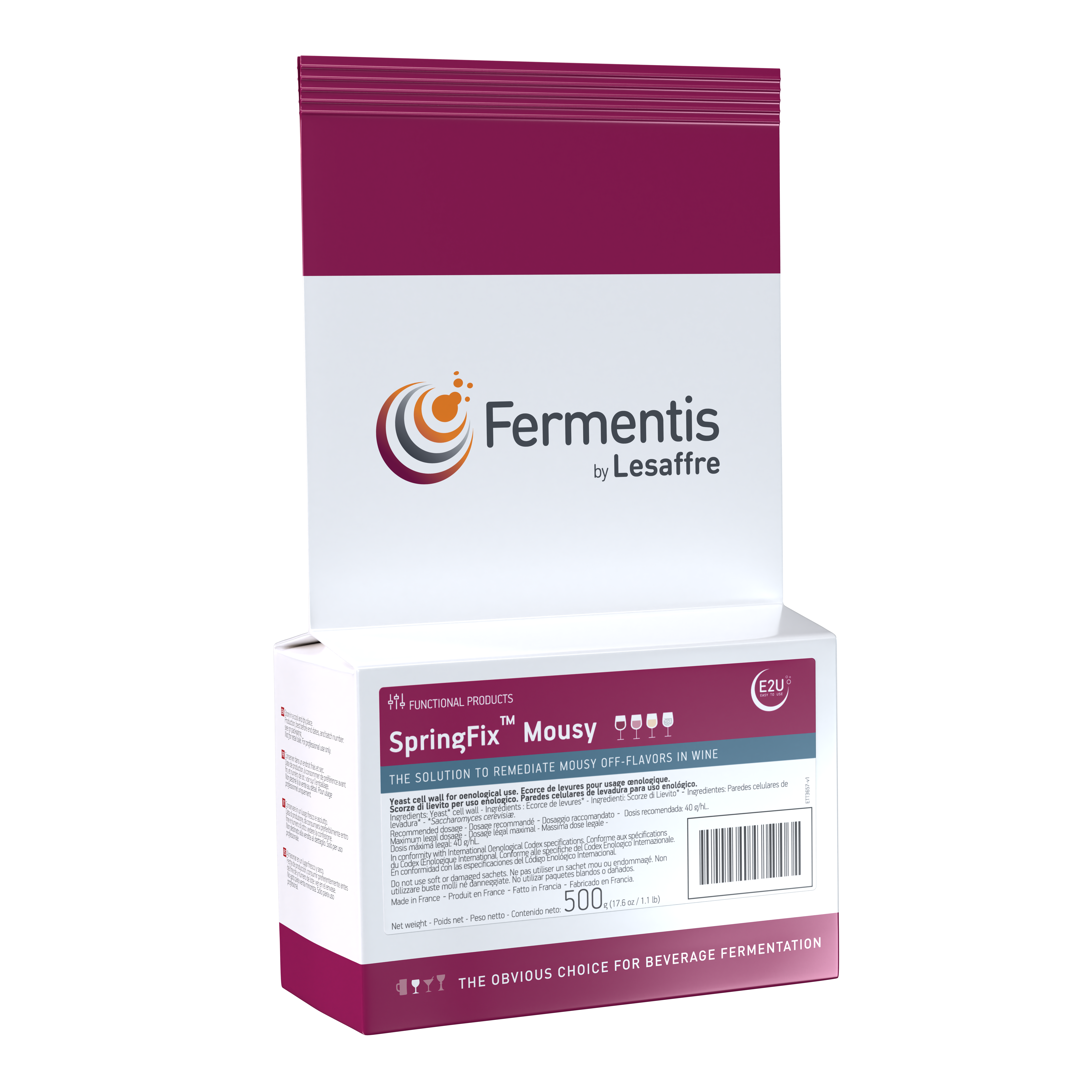
The solution to remediate mousy off-flavors in wine
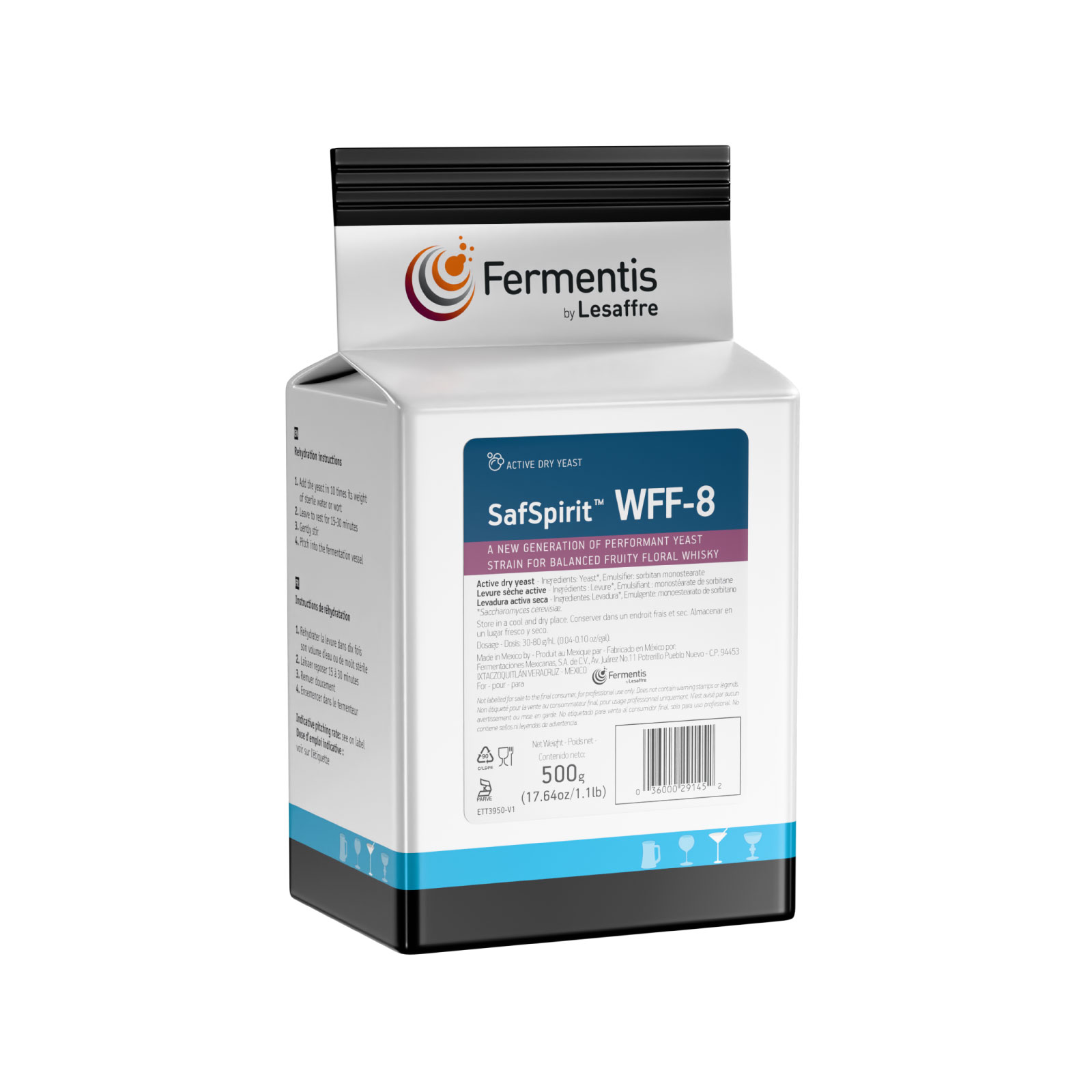
A high-performance yeast strain for fruity, floral whisky
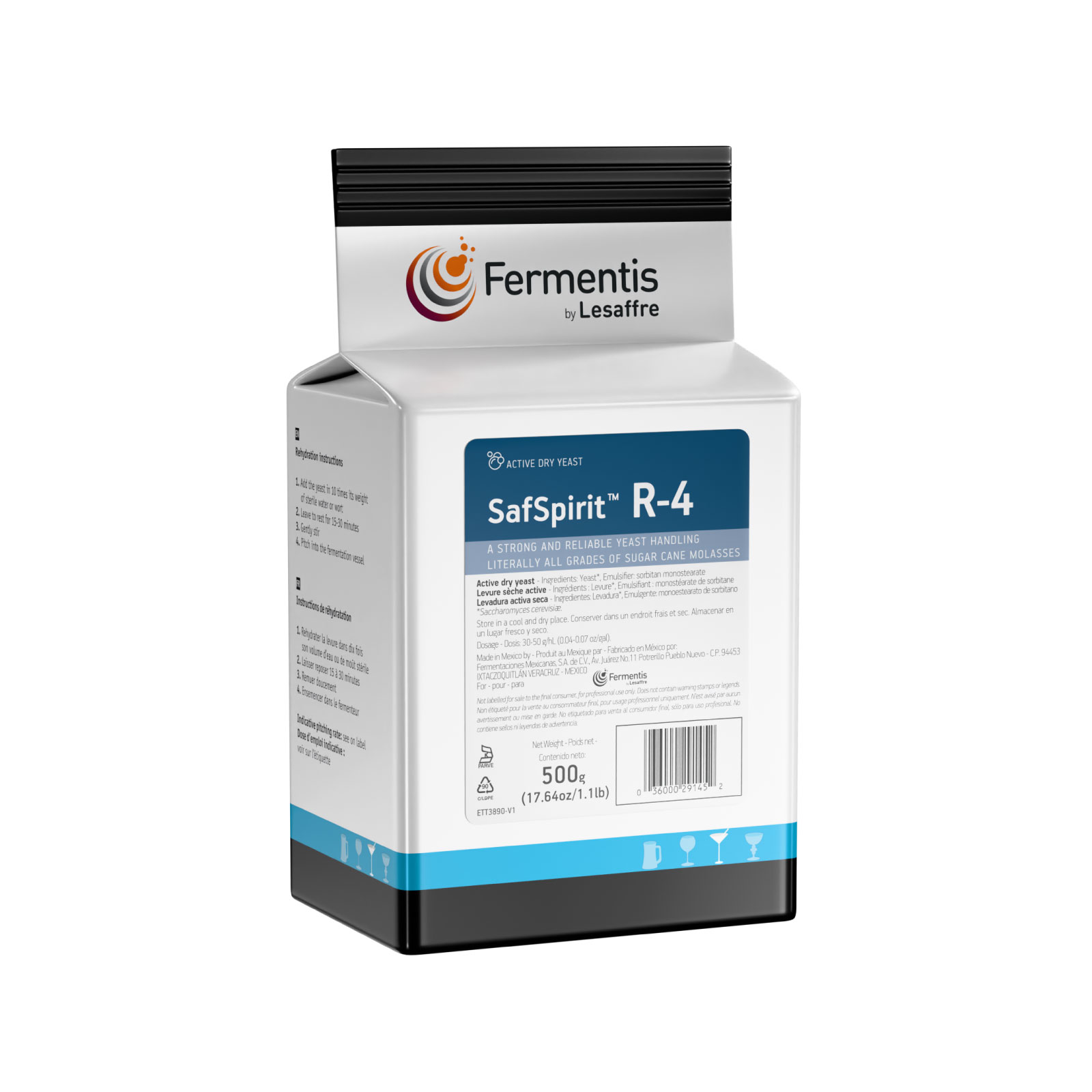
A reliable yeast, especially in tough conditions such as low-grade sugar cane molasses
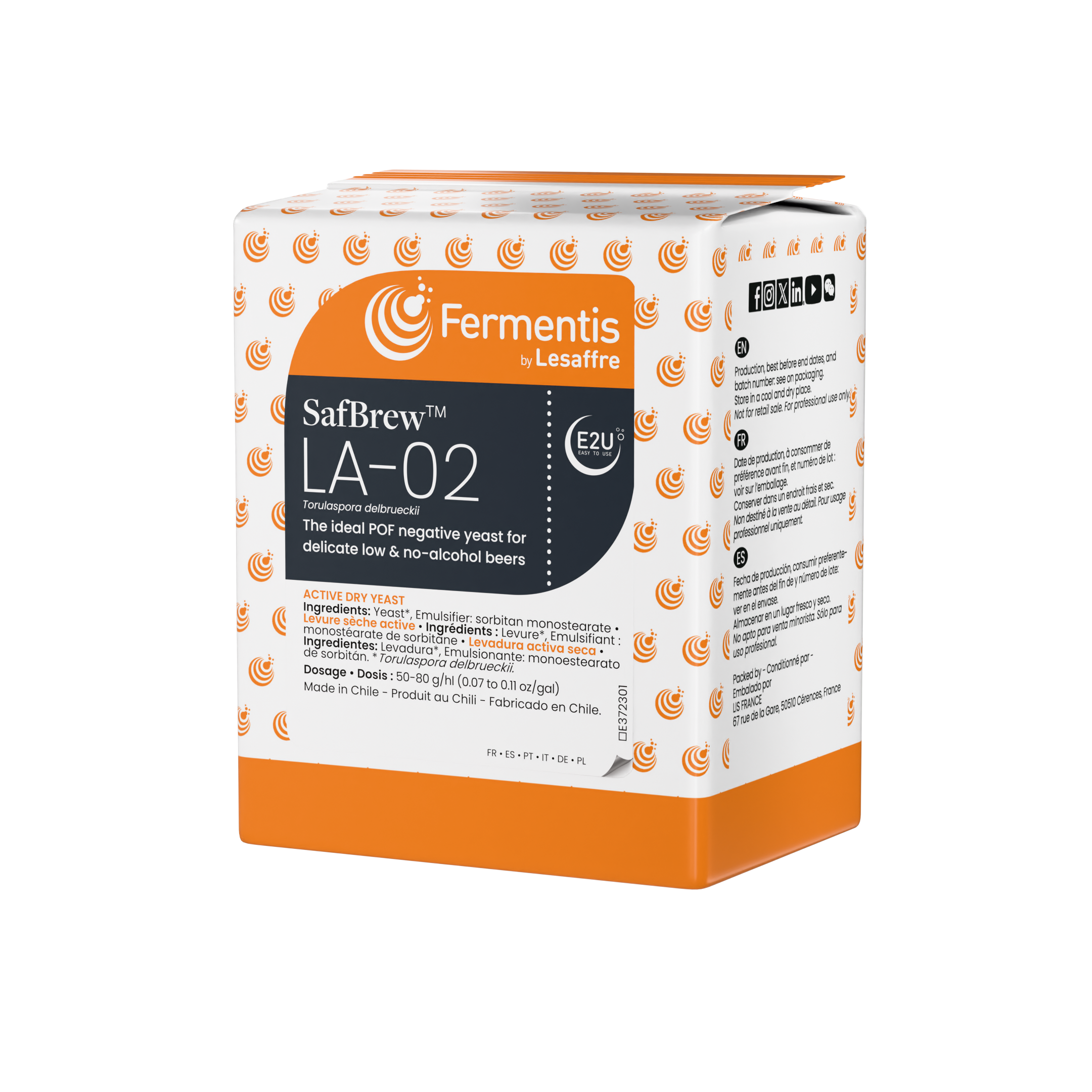
The ideal POF negative yeast for delicate low-and no-alcohol beers
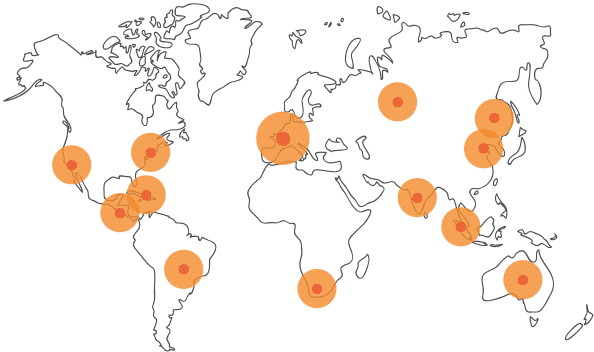
Our products are available wherever you are. We have chosen the right partners on a global scale.
To be as close as possible to our customers, we have opened offices right where our new markets are, joining forces with trusted and reliable partners. Today, you will find Fermentis experts and distributors in the United States, China, Australia, Mexico, South Africa, as well as anywhere in the heart of Europe.


A key global player in fermentation for more than a century, Lesaffre, with a €3,2 billion turnover, and established on all continents, counts 11,700 employees and 100 nationalities.
On the strength of this experience and diversity, we work with customers, partners, and researchers to find ever more relevant answers to the needs of food, health, naturalness and respect for our environment. Thus, every day, we explore and reveal the infinite potential of microorganisms.
Lesaffre is a global reference in the field of yeast and bread-making.• Saf Instant• Livendo• Pulso
Organic yeasts also have a key role to play in the world of taste and pleasure in food.• BioSpringer by Lesaffre• Fermentis by Lesaffre• Ennolys by Lesaffre

Lesaffre has always been intent on serving the well-being of living things.• Agrauxine by Lesaffre• Phileo by Lesaffre• Gnosis by Lesaffre

In the field of biotechnologies, Lesaffre develops efficient cellular nutrients.• Procelys by Lesaffre• Leaf by Lesaffre• LIS by Lesaffre
Our mission is to help you create the beverages you dream of. If you have a project, a question, an idea, tell us about it in a few words, and we will contact you as soon as possible. Because nothing can replace direct exchange.